

VEGF Gene Therapy · Peripheral Artery Disease
Grow new arteries.
Keep walking.
Without pain.
A single course of injections prompts your own body to build new blood vessels around the blockage — restoring circulation to oxygen-starved legs, with effects that last 5+ years.
Real patient · Critical Limb Ischemia
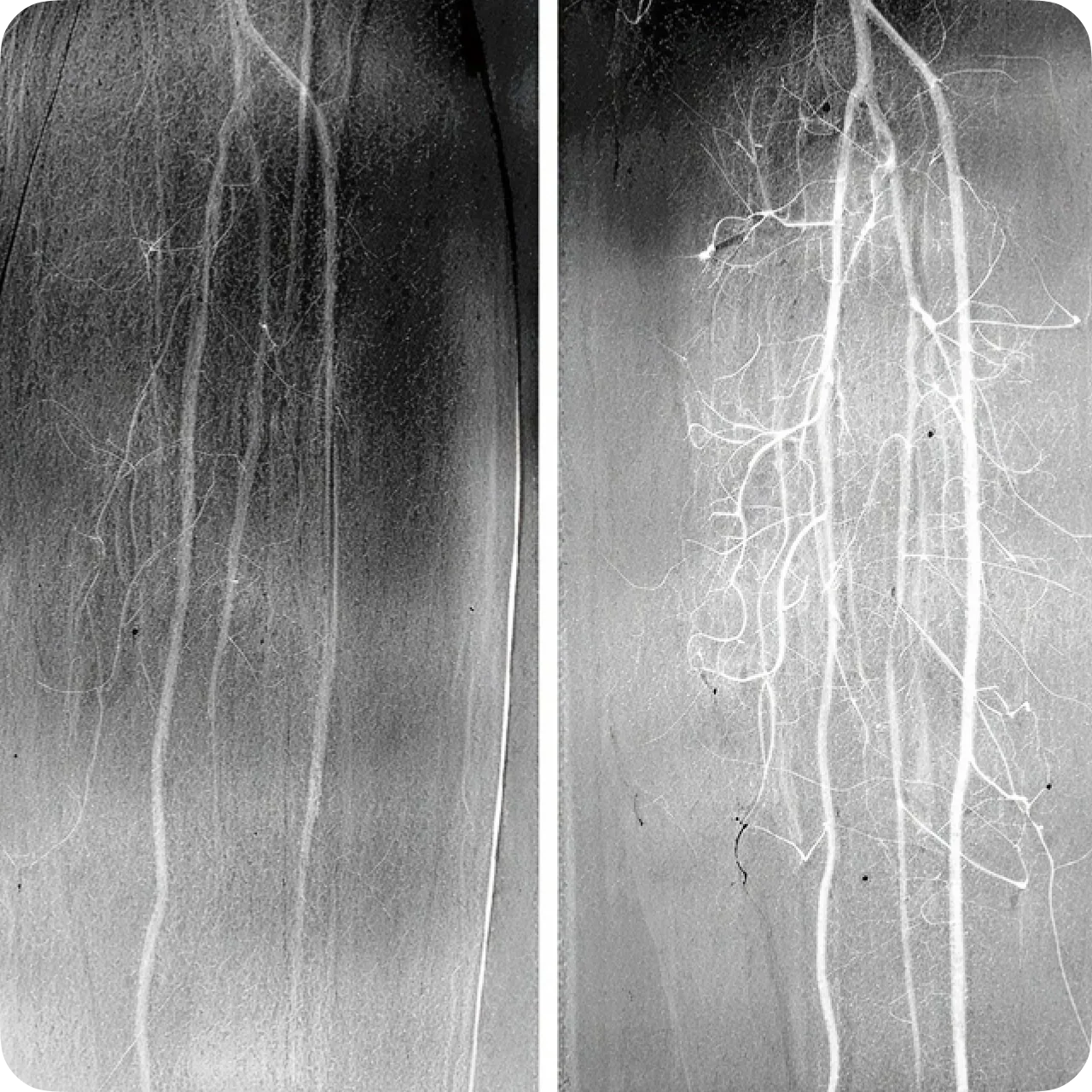
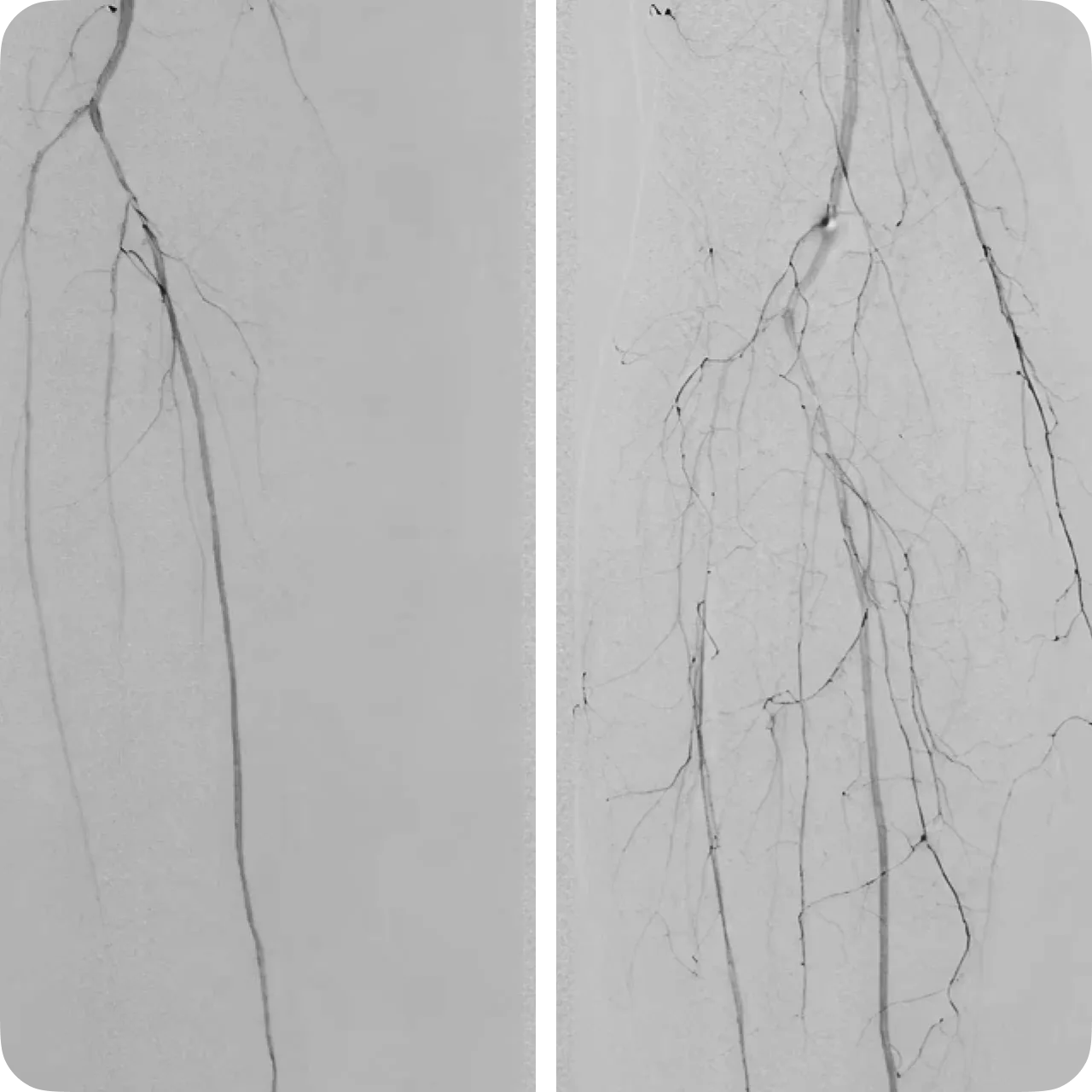
Whole-leg revascularization, imaged before & after
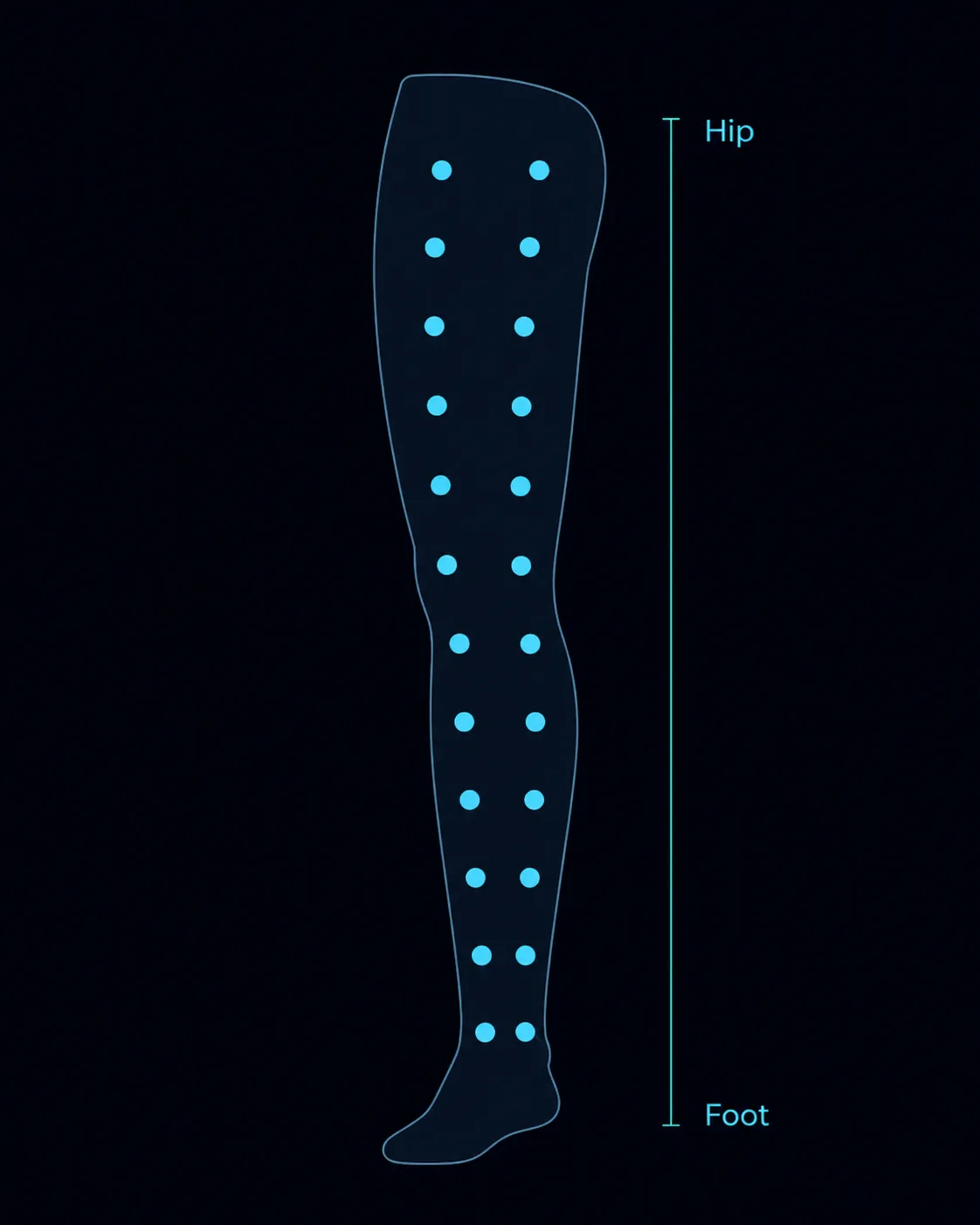
A patient with critical limb ischemia received 4 vials of VEGF across two sessions, two weeks apart — 20+ injections distributed from hip to feet. These angiograms show the vascular network before treatment and after revascularization.
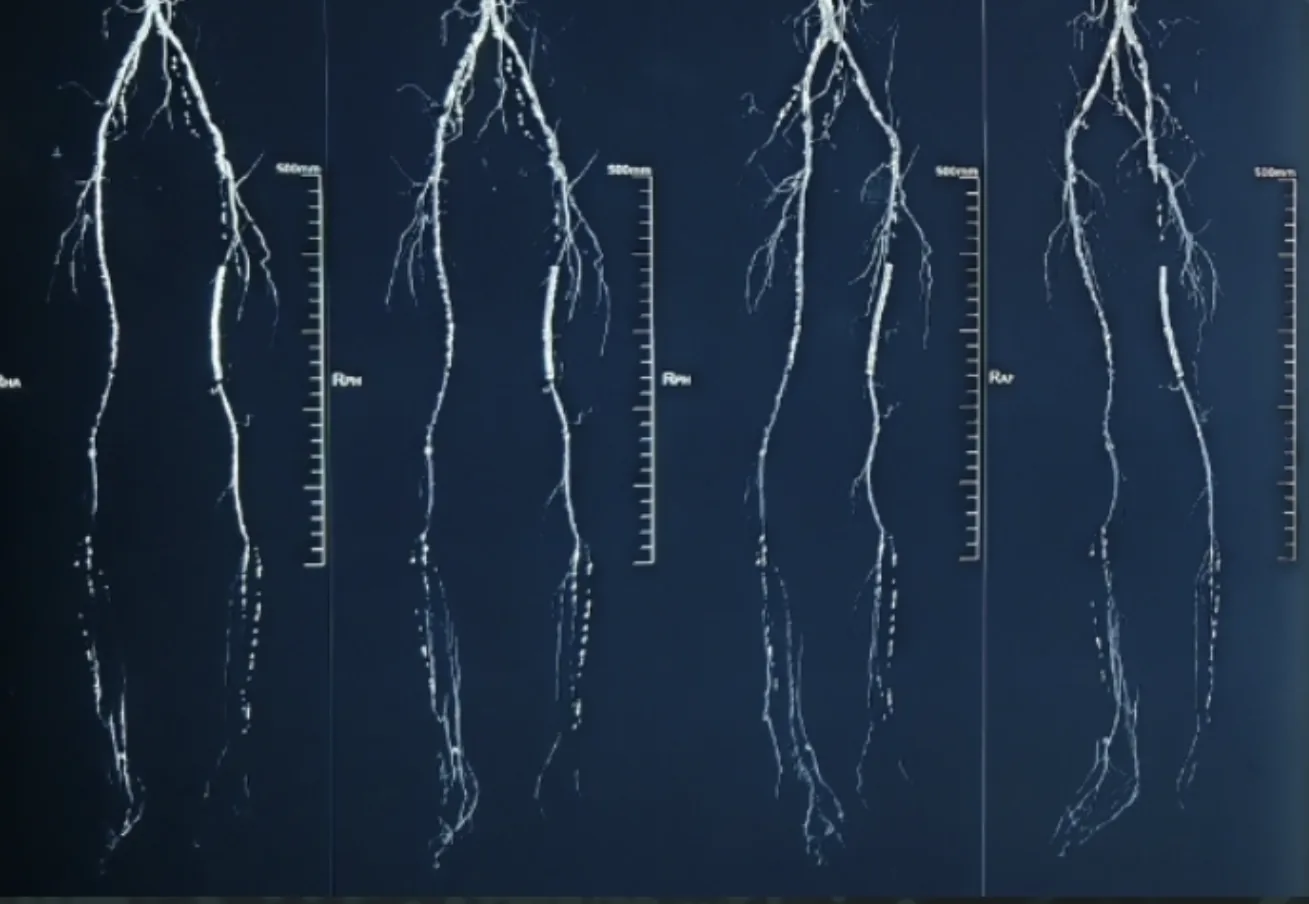
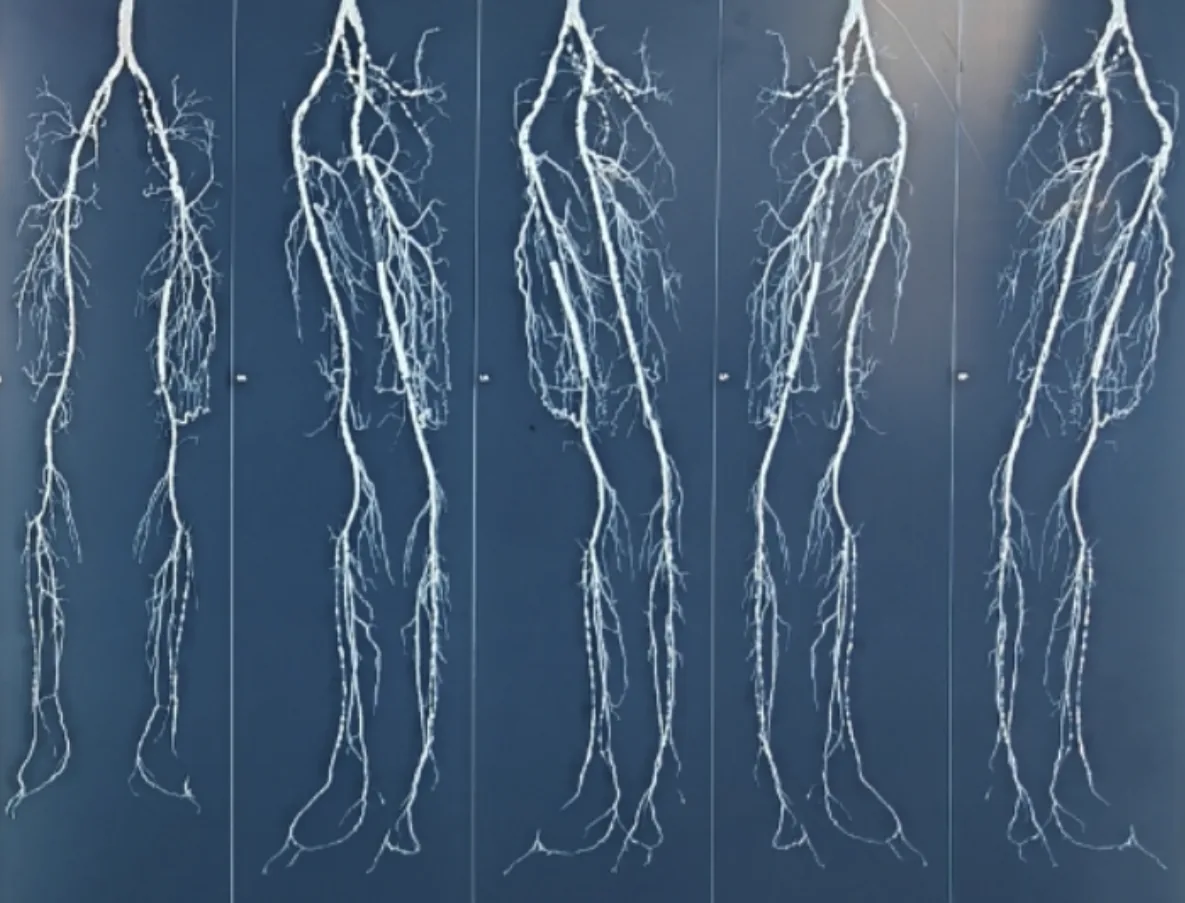
Single real patient case. Individual results vary; angiographic response is not guaranteed.
The problem
When leg arteries narrow, tissue starves
In Peripheral Artery Disease, atherosclerotic plaque narrows the arteries feeding your legs. Blood flow drops, and muscle, skin and nerves no longer get the oxygen and nutrients they need.
Early on, that means pain when walking (claudication). As it progresses to critical limb ischemia, it brings rest pain, non-healing wounds, and a real risk of amputation. Restoring blood flow is the whole game.
- Pain or cramping in the legs when walking
- Slow-healing wounds and ulcers on the legs or feet
- Cold, pale, or weakened lower limbs
- In severe cases (CLI): rest pain and amputation risk
How it works
VEGF is the master regulator of angiogenesis
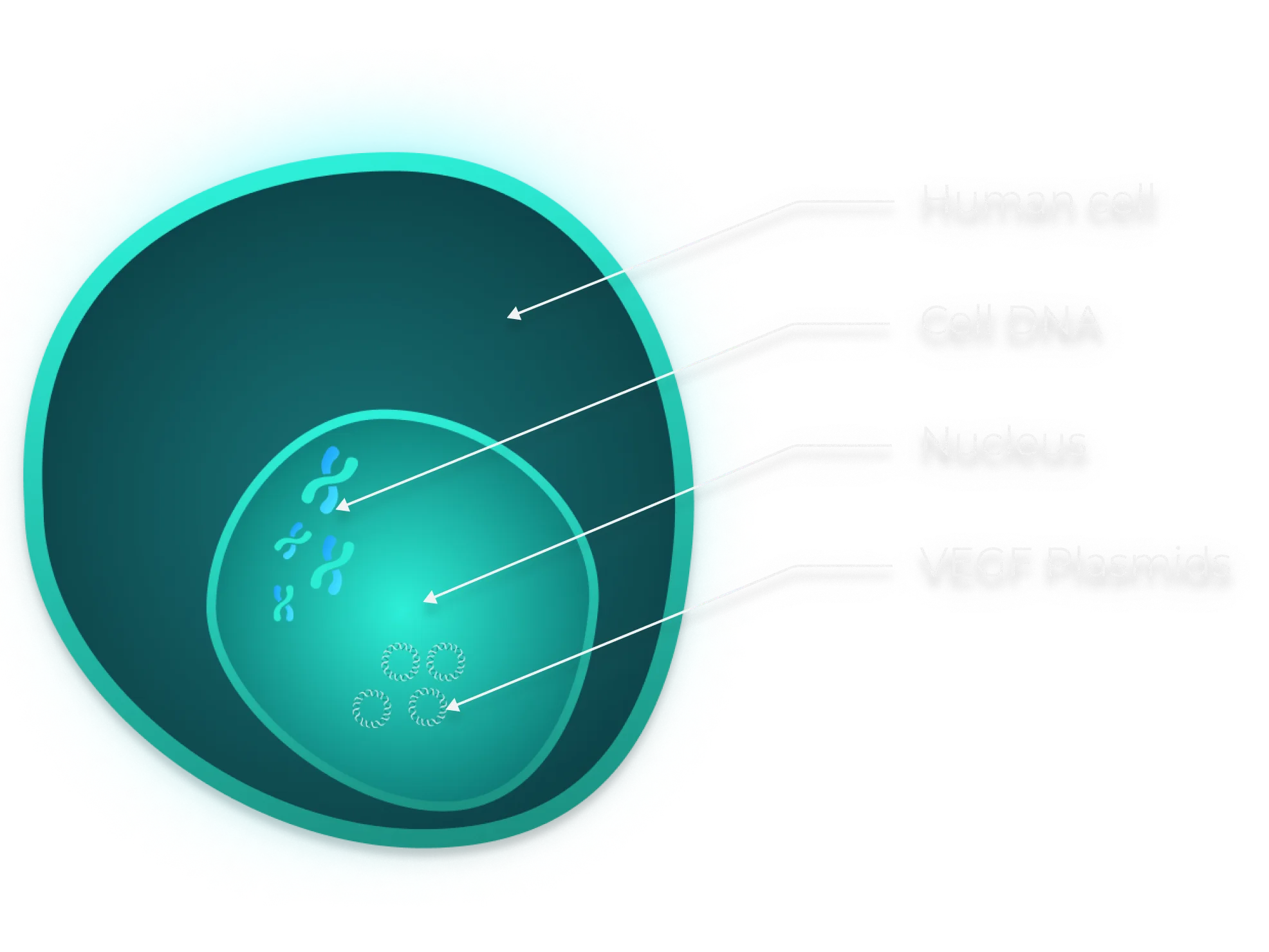
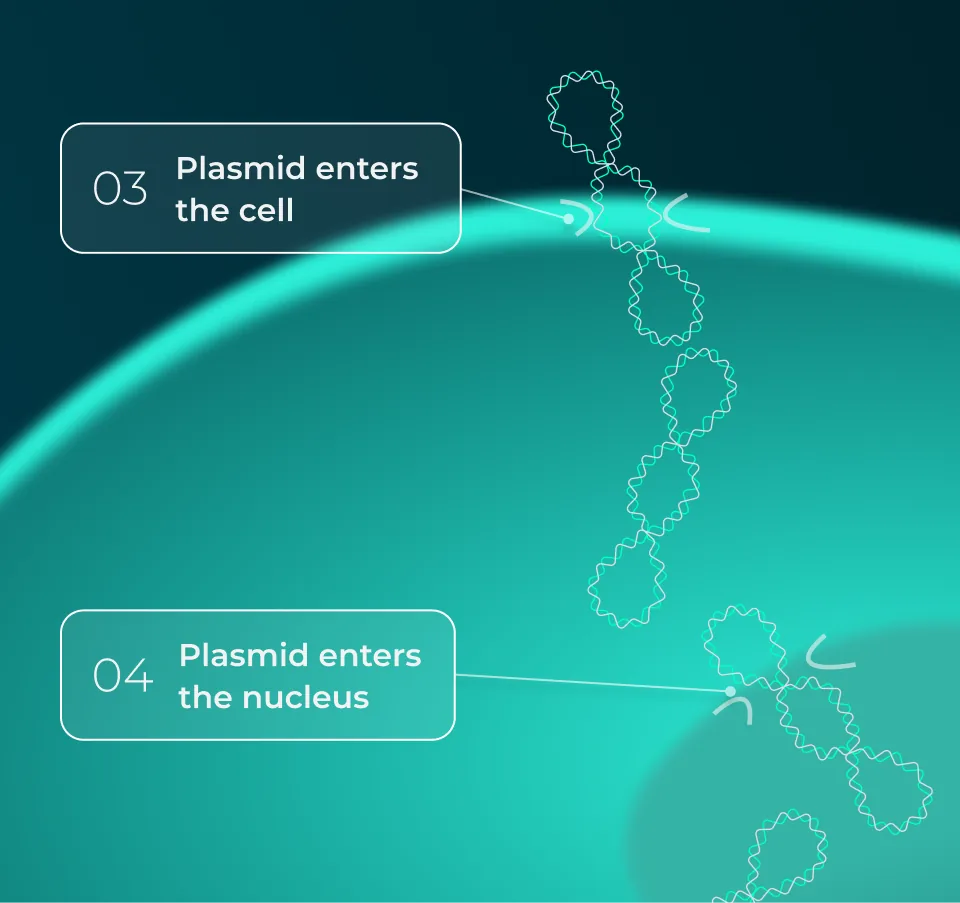
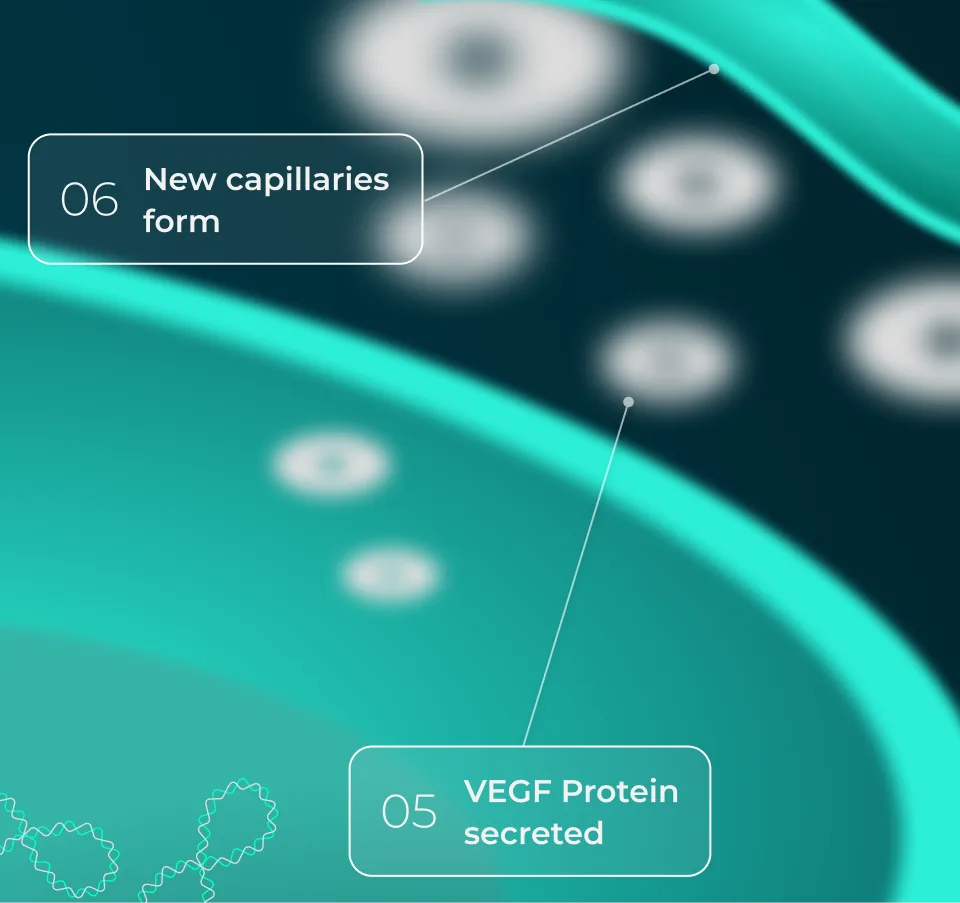
Neovasculgen® delivers the VEGF gene to the target tissue via a plasmid. The cell starts producing VEGF protein locally, which signals the growth of new, functional blood vessels — natural detours around the blocked artery.
The therapy is local and tissue-targeted. The plasmid supplements the cell's activity without changing or integrating into its DNA, persists only temporarily, and cannot be passed to future generations.
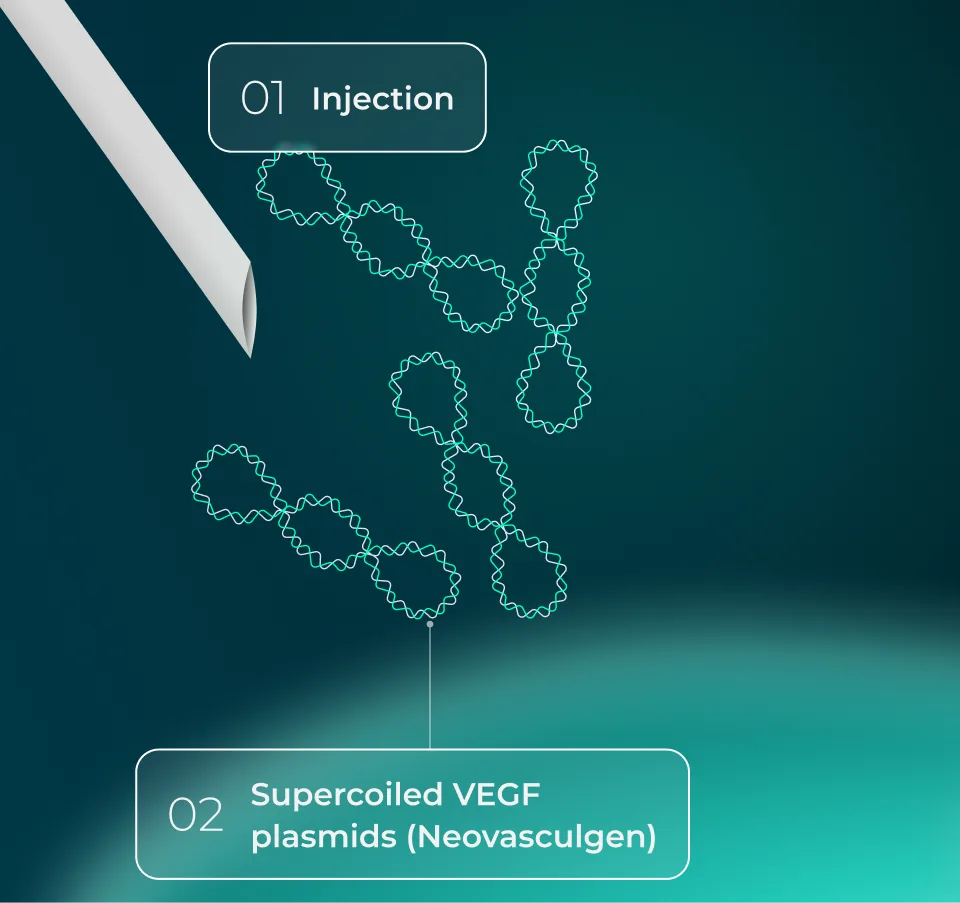
Injection for angiogenesis
One or two courses of injections, a whole new blood supply
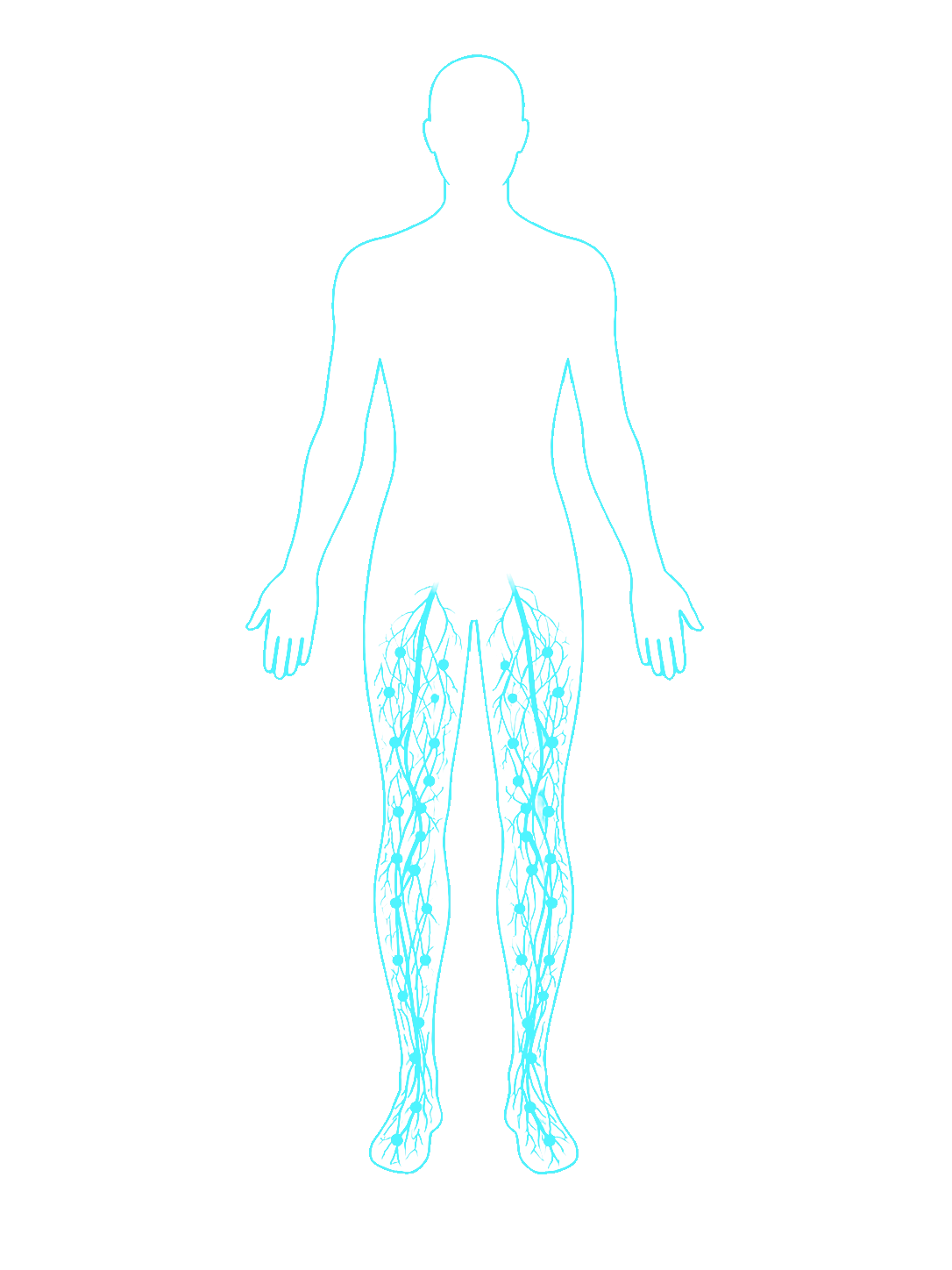
VEGF is delivered as a set of intramuscular injections across the oxygen-starved legs. Over the following weeks it drives local angiogenesis: your body grows a fresh network of blood vessels around the injection sites that re-perfuses the tissue.
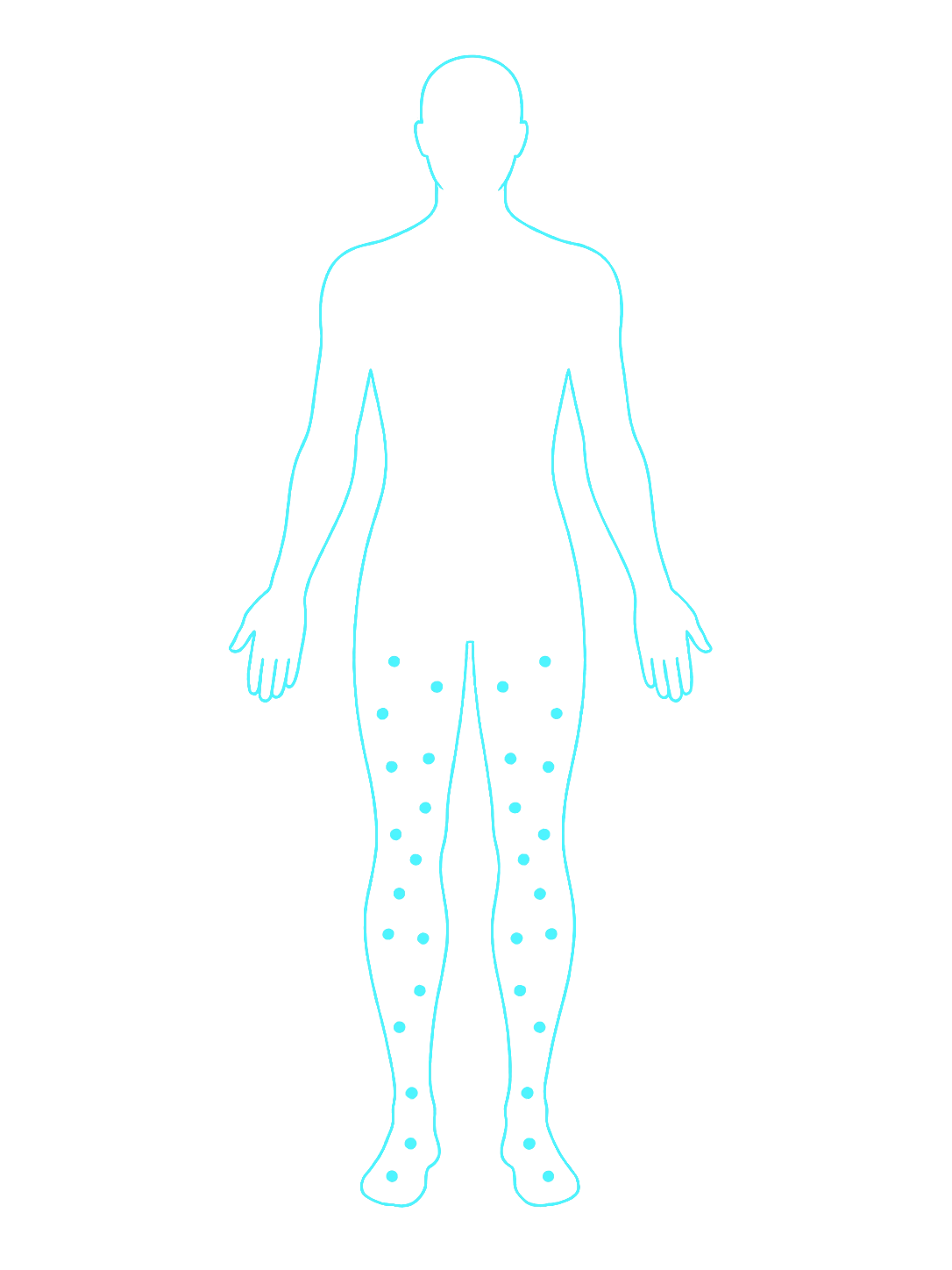
- Inject VEGF into the ischemic leg muscles
- Blood vessels grow locally and re-perfuse the tissue
Clinical evidence
Patients walked dramatically further, and kept walking
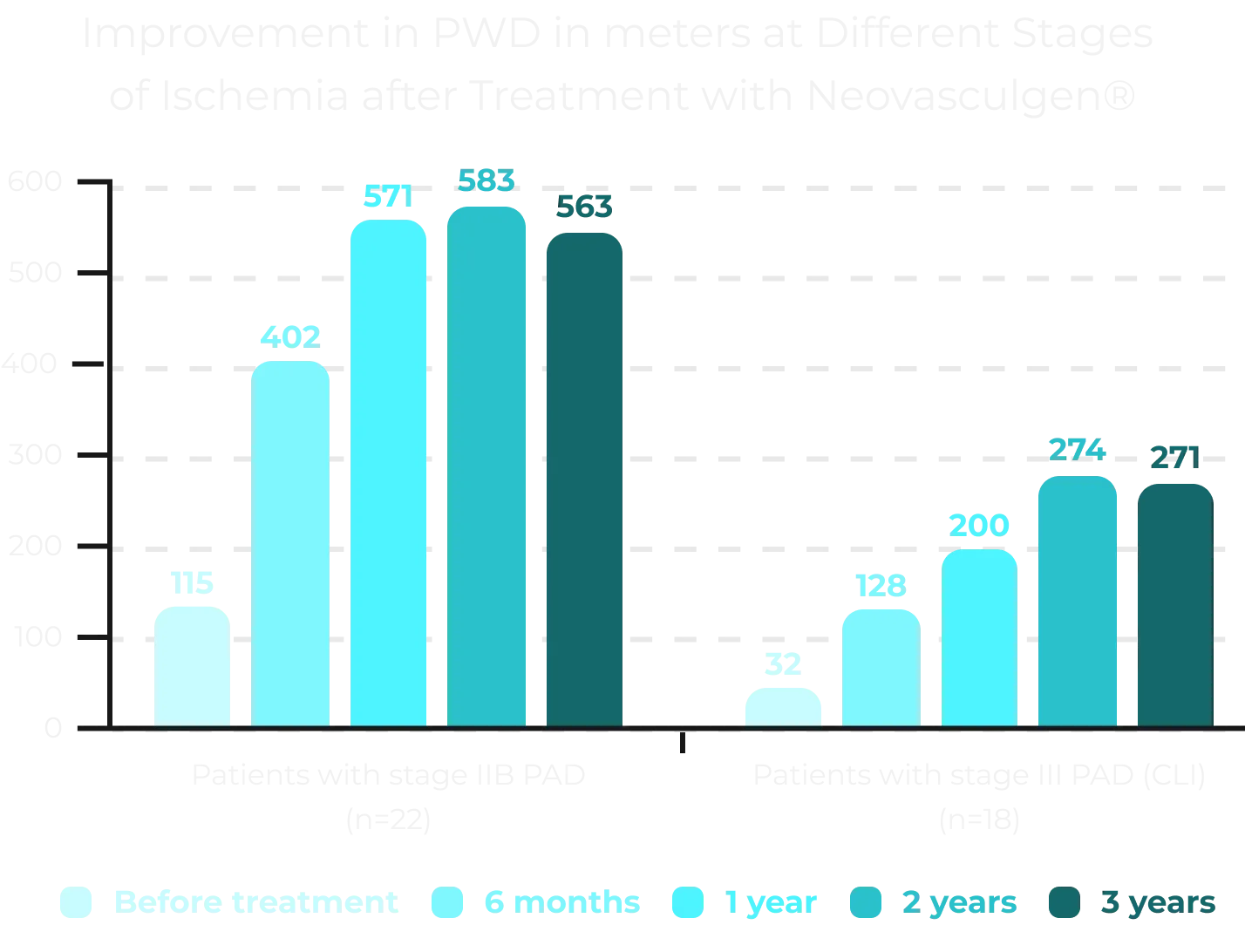
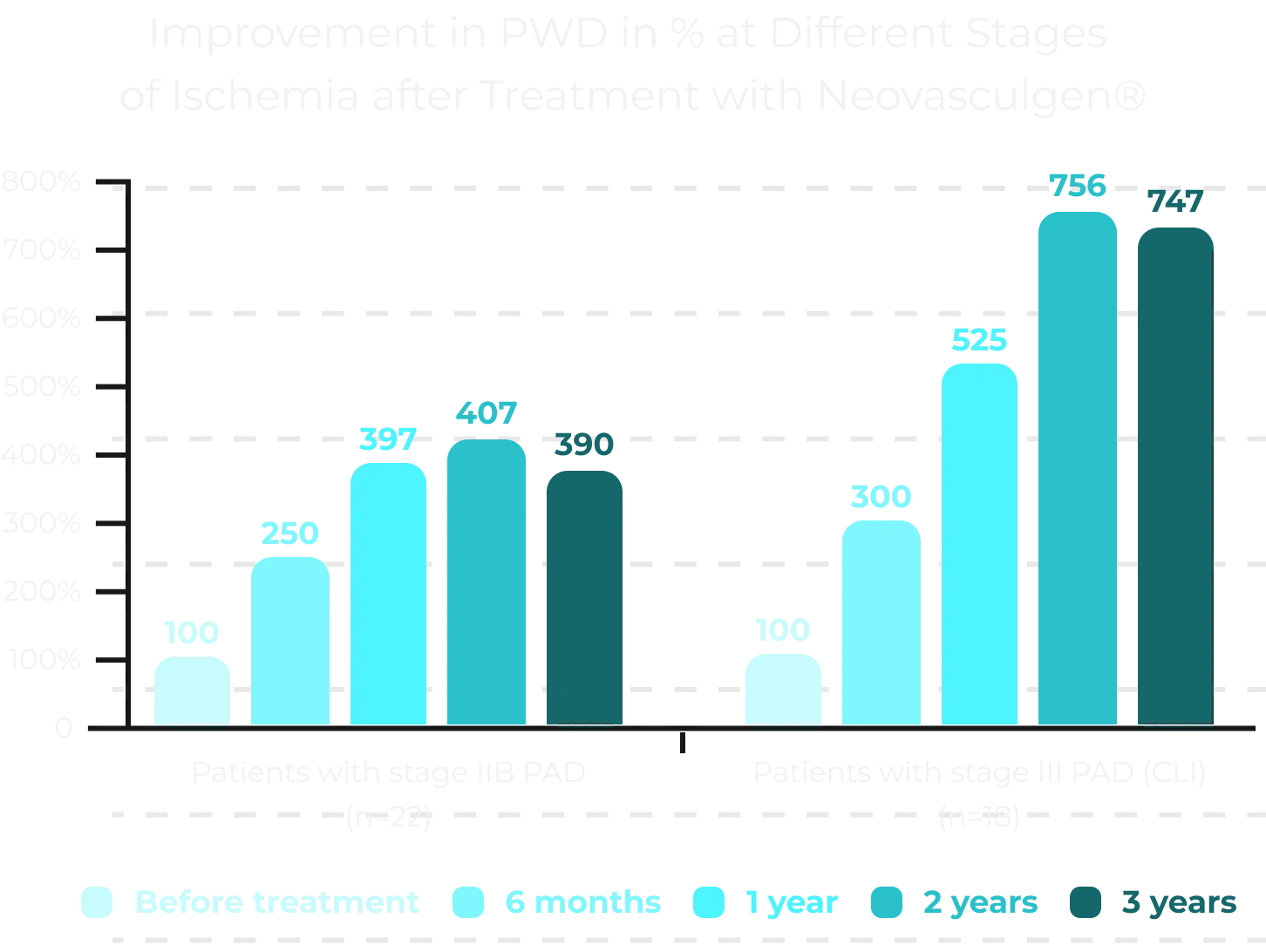
In trials of Neovasculgen®, pain-free walking distance (PWD) climbed steeply after treatment and held for years. Even patients with the most severe circulation loss benefited most.
≈ 5×
Stage IIB PAD (n=22)
Pain-free walking distance: 115 m → 563 m at 3 years.
≈ 8×
Stage III PAD / CLI (n=18)
Pain-free walking distance: 32 m → 271 m at 3 years.
What changes
Clinical benefits for PAD
+177%
Pain-free walking distance
Average across PAD patients; up to +683% in severe (Stage III/CLI) cases.
96%
Amputation-free survival
In the treatment group over a 5-year follow-up (Deev, 2018).
5+ yrs
Sustained effect
A single injection course keeps working for at least five years.
+24%
Tissue oxygenation (TcPO₂)
Sustained increase; better-perfused, healthier tissue.
+24%
Ankle-Brachial Index (ABI)
At 6 months — an objective measure of leg circulation.
10,000+
Patients treated
Over a decade of real-world clinical use for PAD.
Published imaging
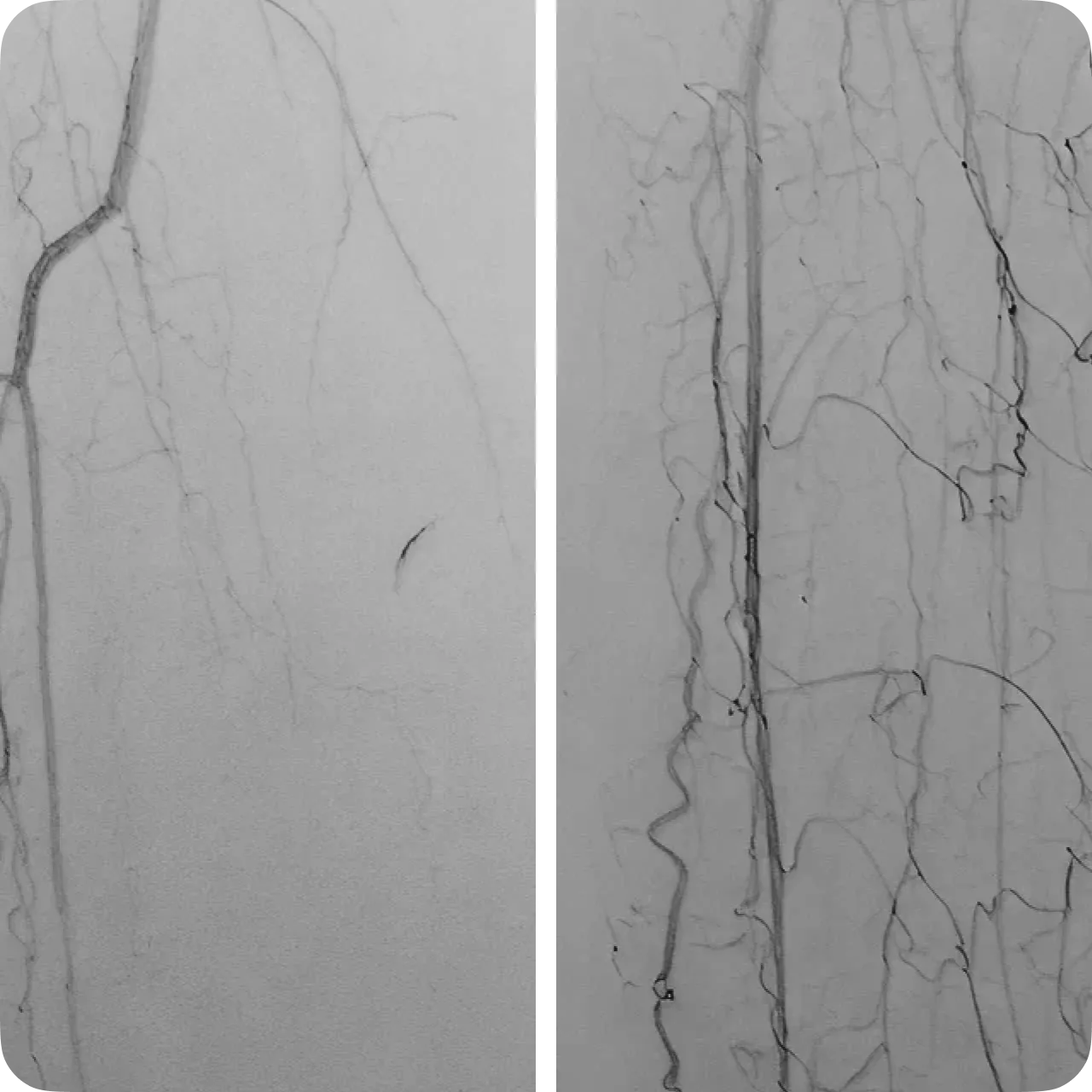
Angiography Before & After 6 Months
Imaging before and 6 months after Neovasculgen® administration shows new vessel formation in the treated limb (Deev, 2017/2018; ArtGen Biotech).
Safety
The highest safety profile among gene therapies
Over 10,000 PAD patients treated, 210+ monitored in post-marketing surveillance across 33 facilities, and 12+ years on the market. A 5-year follow-up reported no treatment-related adverse events, no tumor formation, and no impaired vision.
- Plasmid stays localized: it does not integrate into your genome (Williams, 2011)
- Local leg injection did not raise systemic VEGF (Chang, 2003)
- No demonstrated increase in cancer risk; limited causal link in Mendelian studies (Wu, 2022)
- 96% amputation-free survival in the treatment group at 5 years (Deev, 2018)
What to expect
The treatment journey
- Video callEligibility evaluation with the medical team
- Day 0Arrival & screening
- Day 1Injections — at least 10 into the ischemic muscles
- Day 2Observation (days 0–2 can be combined into one)
- Day 14+Optional second injection round for additional efficacy
VEGF vs PAD.
Frequently Asked Questions
A plasmid (Neovasculgen®) delivers the VEGF gene directly into the ischemic leg muscles. The cells begin producing VEGF protein locally, which triggers angiogenesis — the growth of new, functional blood vessels that route blood around the narrowed arteries and re-perfuse oxygen-starved tissue.
People with PAD or diminished blood supply to the legs — including those with intermittent claudication (Stage IIB) and critical limb ischemia (Stage III/CLI), and patients whose circulation is compromised by type 2 diabetes or sarcopenia. Eligibility is confirmed on a screening video call.
The therapy is delivered locally as a set of intramuscular injections into the ischemic muscles — at least ten per session. Severe cases may receive more injections distributed across the whole limb, and an optional second round 2 weeks later for additional effect.
Studies in PAD patients showed a lasting effect for up to 5 years after a single course. We recommend reinjecting at around 3 years to maintain the maximum effect.
VEGF plasmid therapy has one of the most comprehensive safety databases of any gene therapy: over 10,000 PAD patients treated and 12+ years on the market. A 5-year follow-up reported no treatment-related adverse events, no tumor formation, and no impaired vision. The plasmid stays localized and does not integrate into your genome.
Current evidence says no. The VEGF–cancer relationship is largely one-directional (cancer raises VEGF, not the reverse), Mendelian randomization studies found limited causal links (Wu, 2022), the plasmid does not integrate into the host genome (Williams, 2011), and local leg injection did not elevate systemic VEGF (Chang, 2003).
VEGF gene therapy is available in our partner clinics in Próspera (Roatan, Honduras), Mexico and Bahamas. Reach out and the Unlimited Bio team will walk you through the details.
Disclaimer
Gene therapies described on this website are experimental and not approved by the FDA. Effects are not guaranteed, and individual results may vary. Therapies are provided by third parties in Prospera ZEDE and Mexico; Unlimited Bio is not a medical provider. Always seek the advice of a qualified healthcare provider with any questions you may have regarding a medical condition or treatment.