
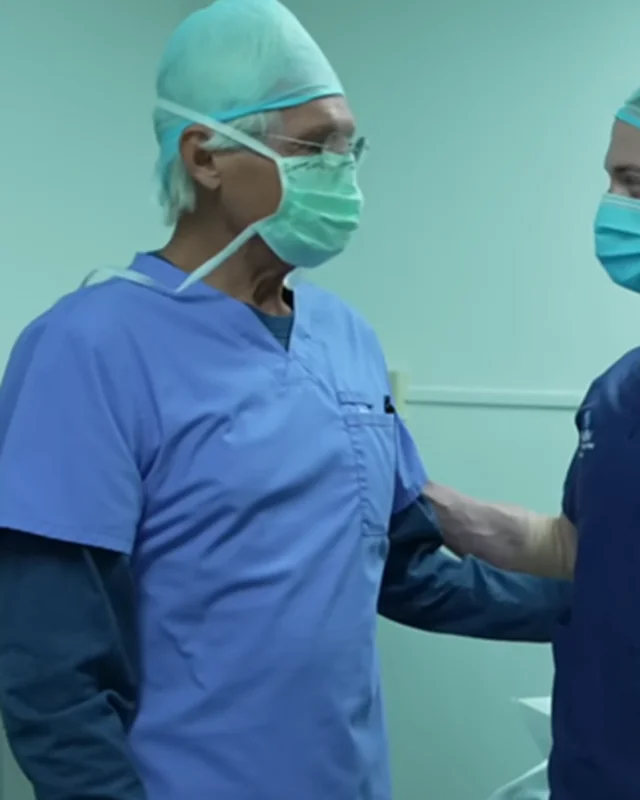
GARM · Roatán, Honduras


Every cell needs a steady stream of glucose, amino acids, and lipids — all delivered through capillaries.

Capillaries handle gas exchange. Fewer capillaries means lower tissue oxygenation, lower VO₂max, slower recovery.

Metabolic waste — CO₂, lactate, and others — leaves the tissue through the same capillary network.
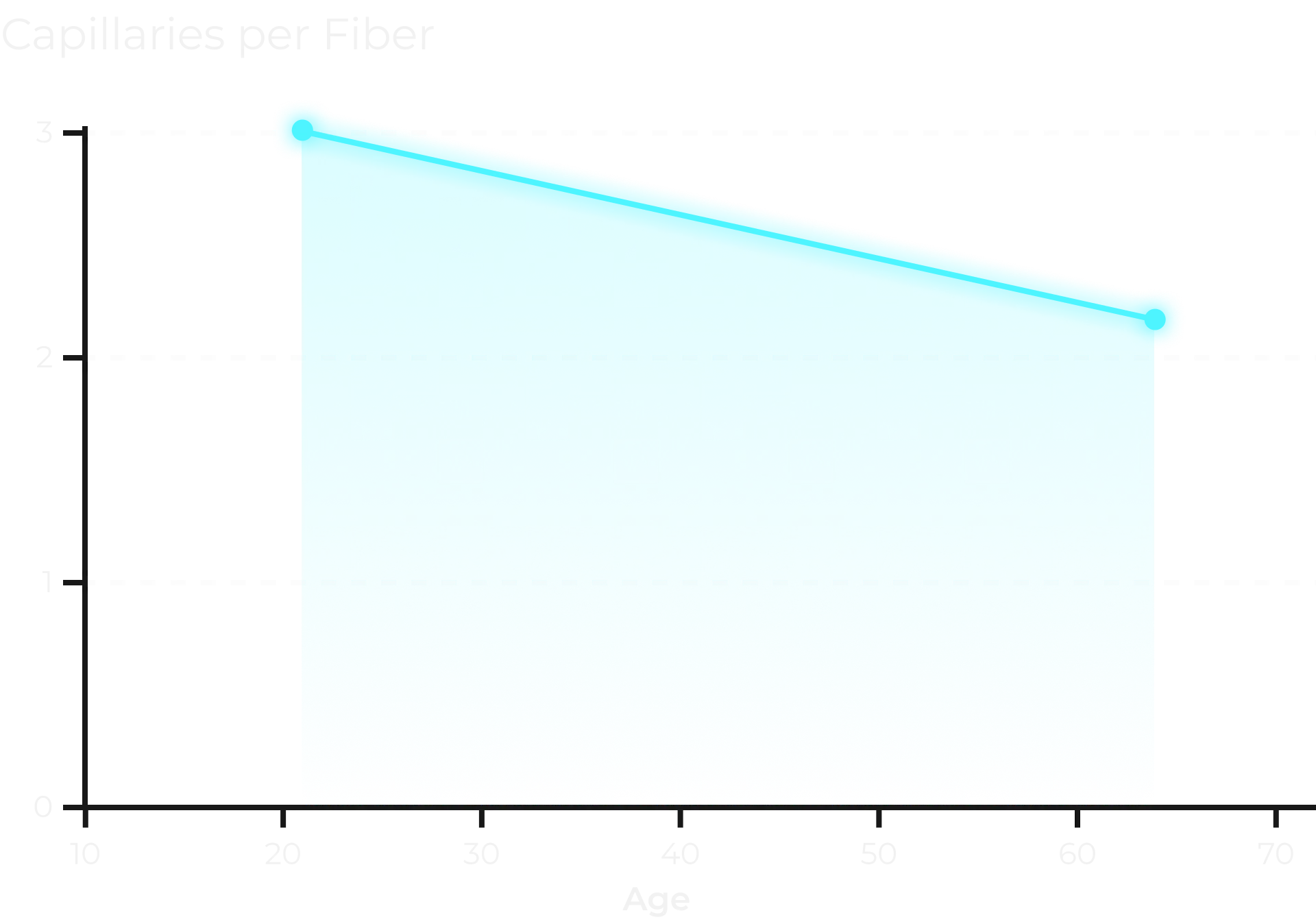
Older men and women have fewer capillaries in their muscles and they lose the ability to form them as efficiently as young people in response to training. Their capillaries also have less contact with surrounding tissue. The levels of VEGF protein responsible for the formation of new blood vessels were reduced by 25–30%. In some studies by up to 50%.
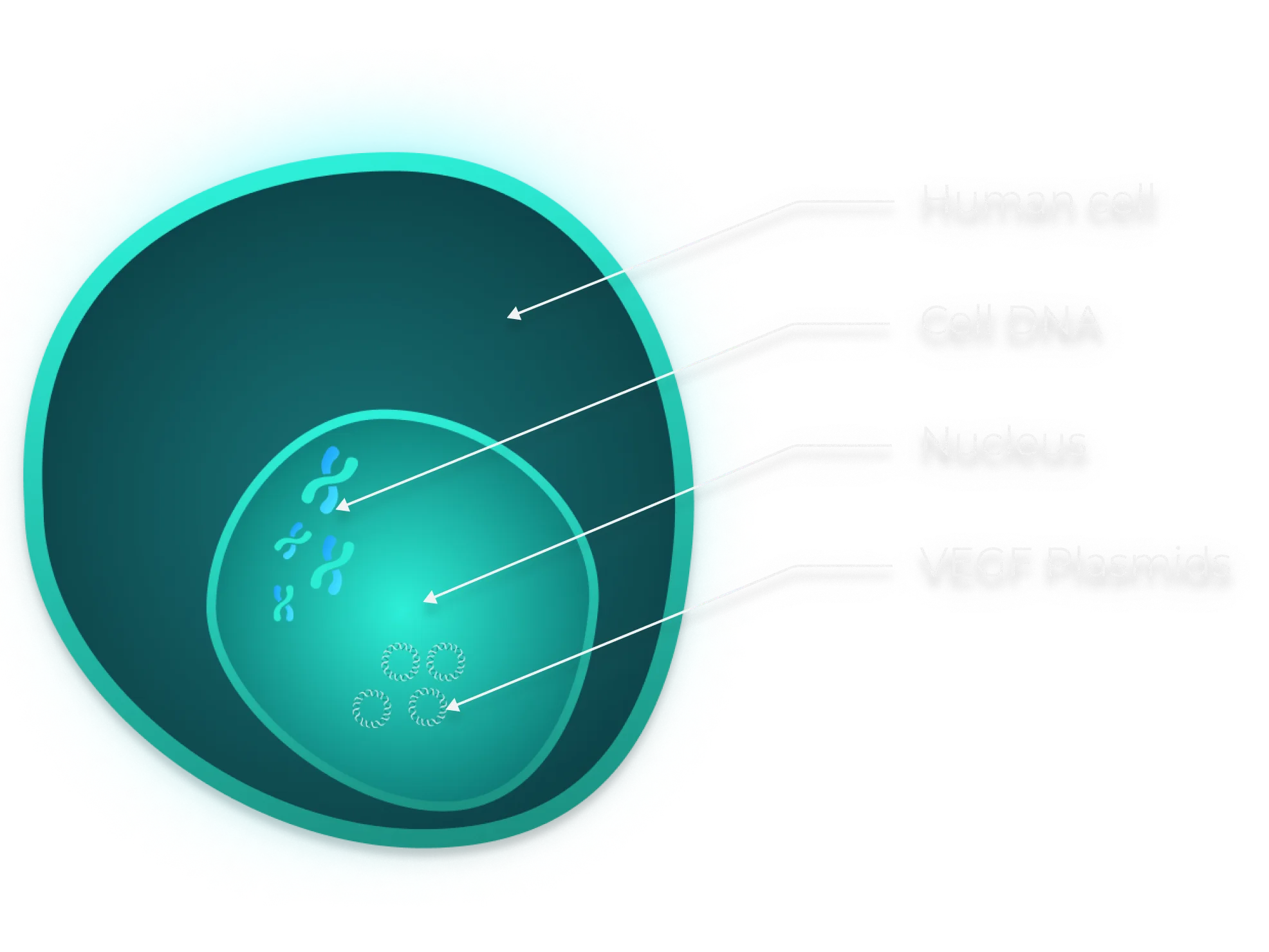
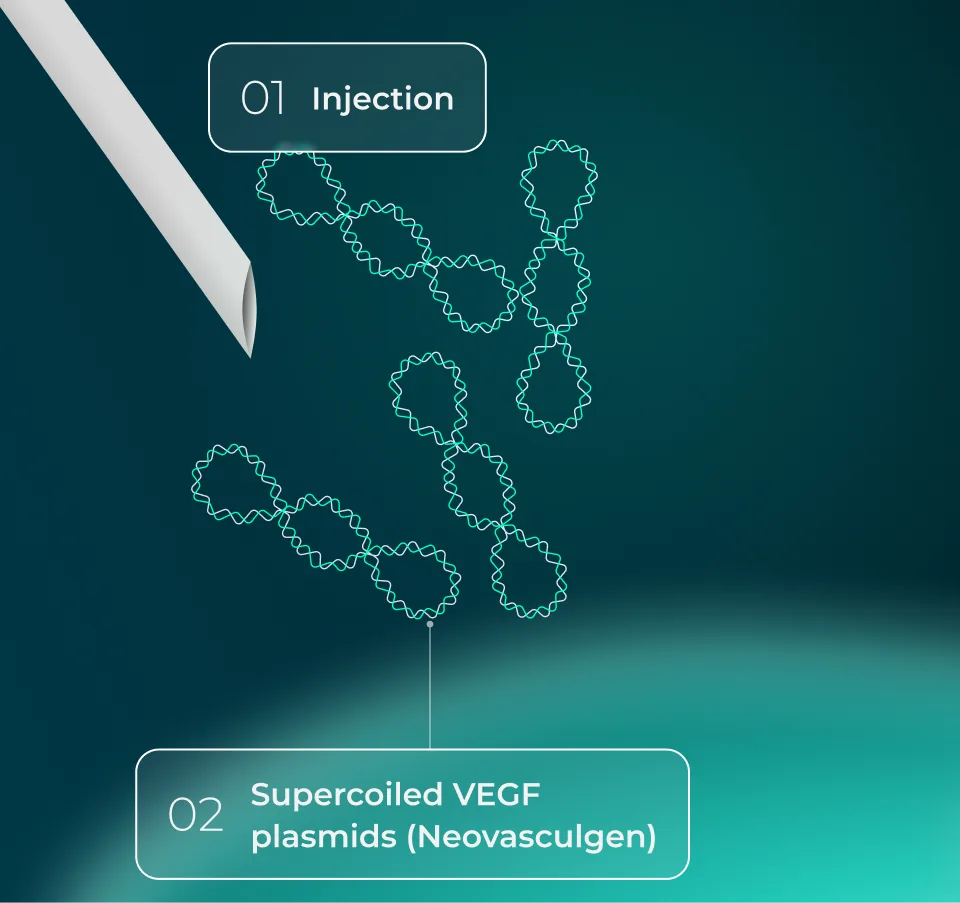
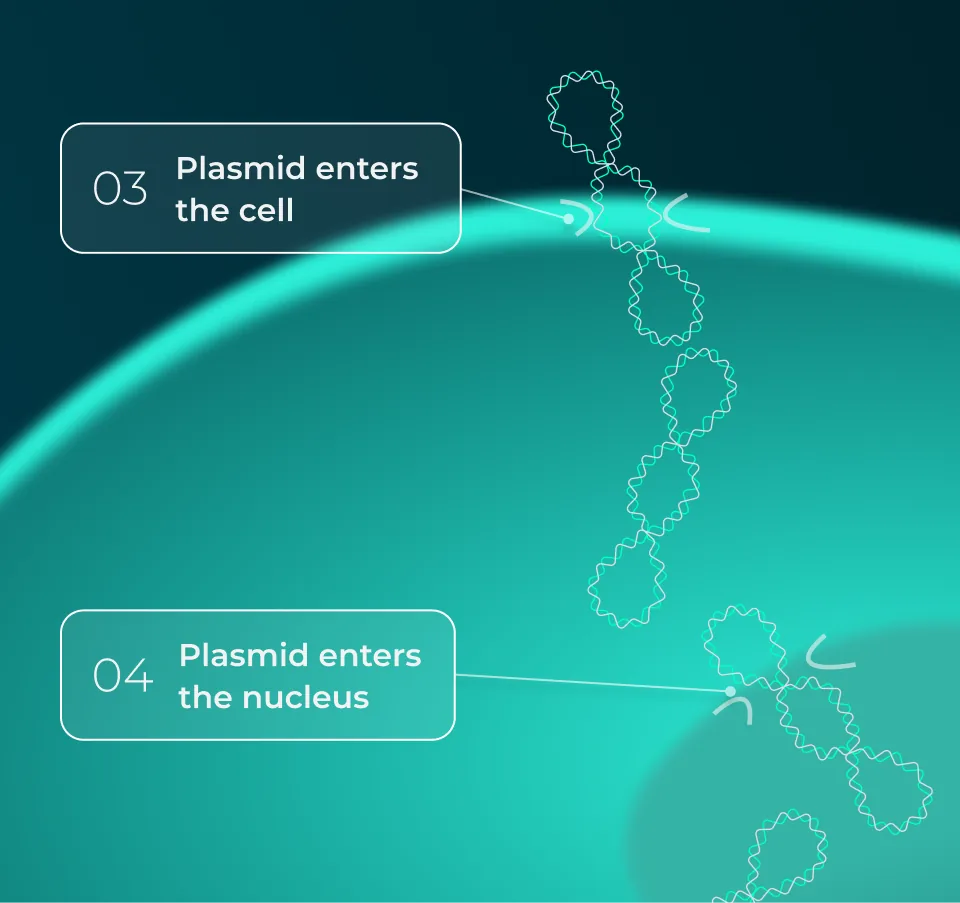
VEGF plasmids supplement the DNA of the cell without changing or interacting with it. They cannot be passed to the next generations and persist in the nucleus temporarily.
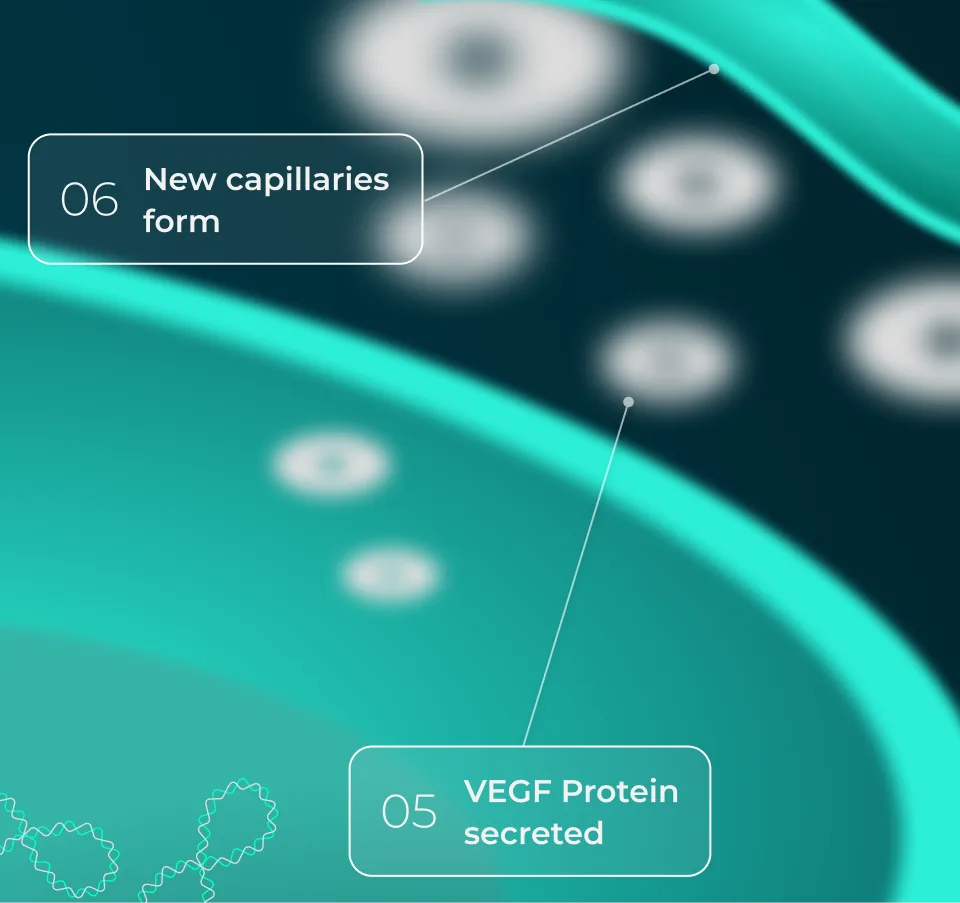
The plasmid enters the cell, then the nucleus. Once inside, it directs the cell to secrete VEGF protein, which in turn signals the formation of new capillaries in the surrounding tissue.
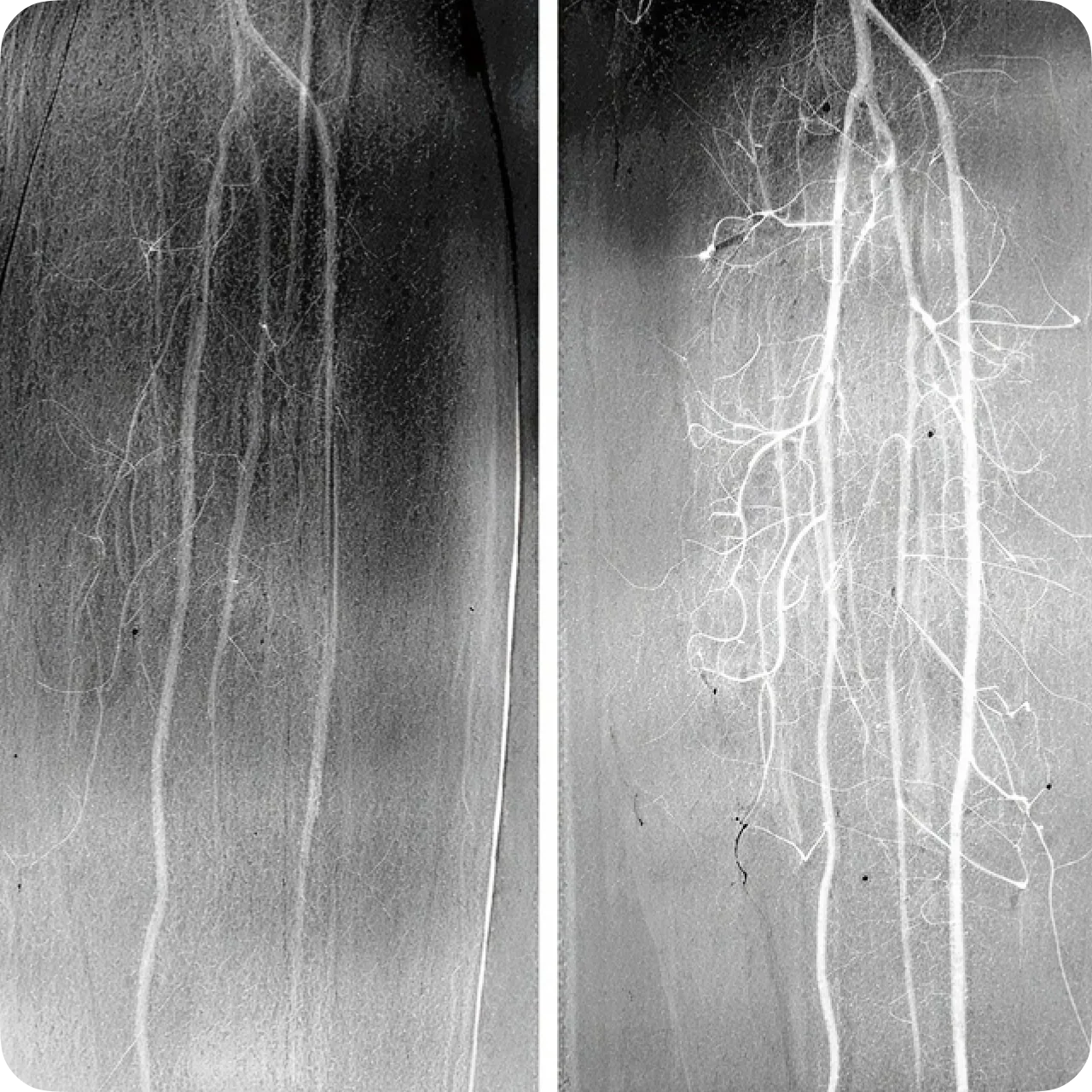
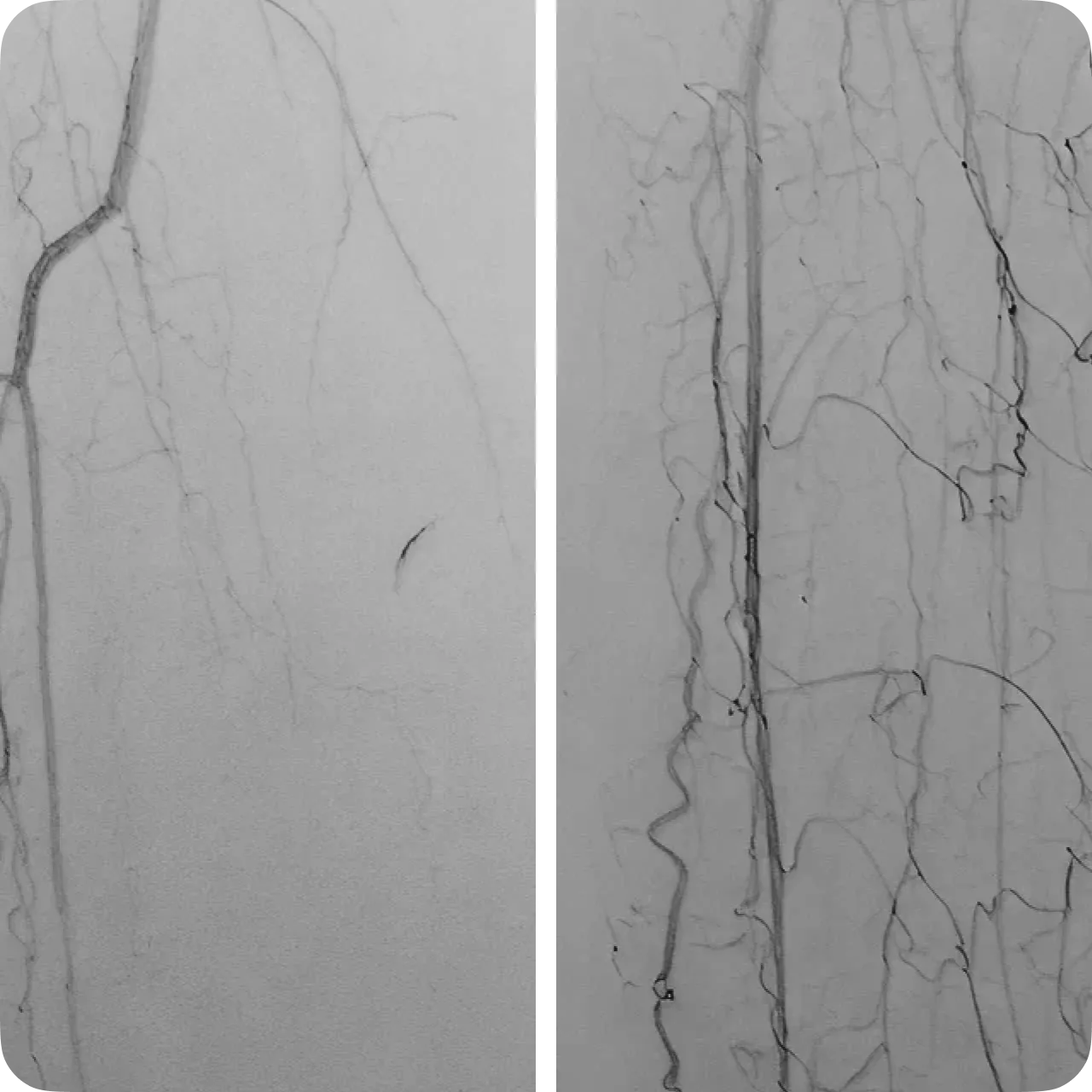
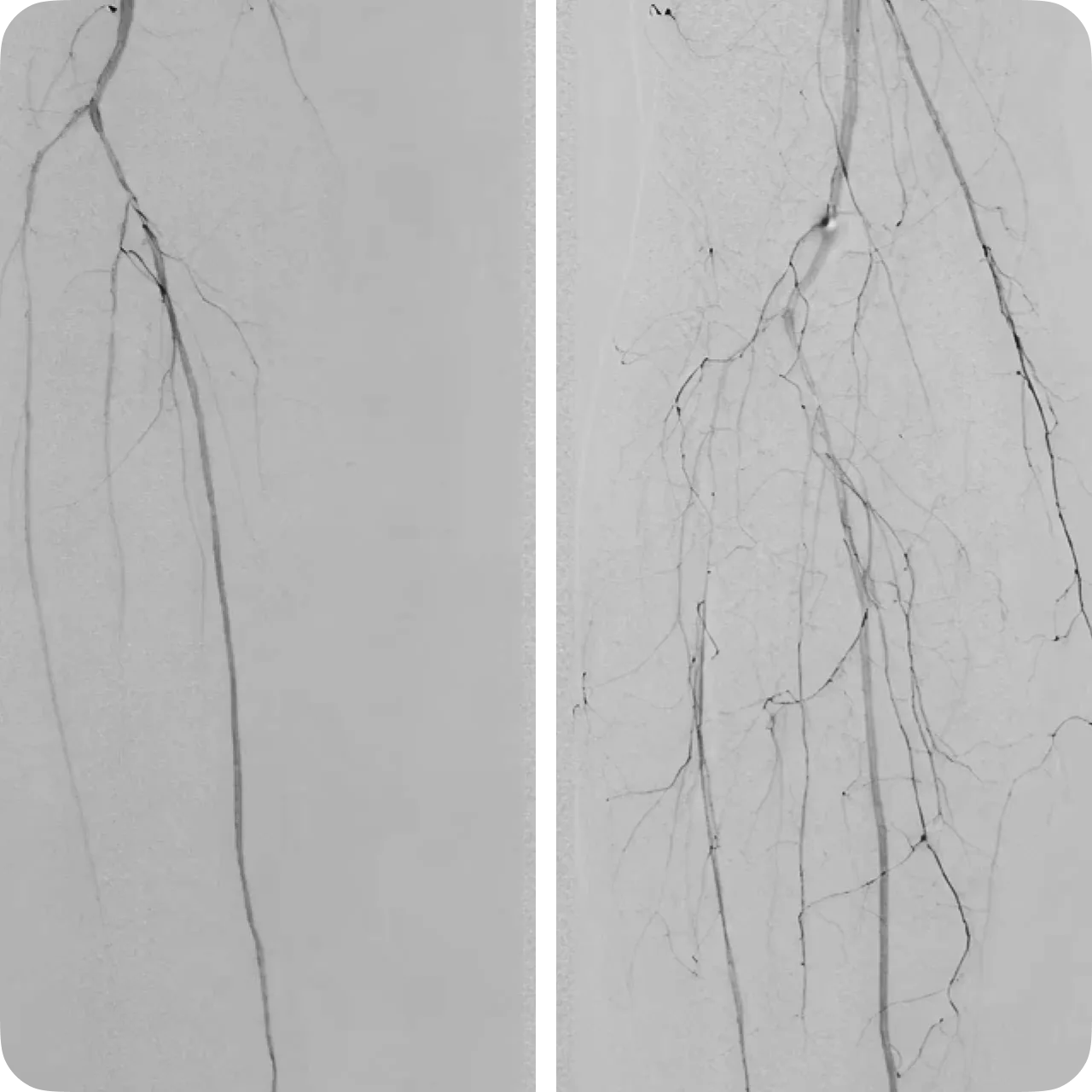
Imaging from patients before and 6 months after Unlimited Bio VEGF administration shows new capillary formation in the treated tissue.
Results
+27%
Tissue oxygenation (TcPO2)
Sustained increase peaking at 90.7 ± 4.9 mmHg by year 2, holding at 84.1 ± 1.8 mmHg at year 5.
+24%
Blood flow velocity
23.9 ± 2 cm/s → 29.7 ± 1.7 cm/s at 6 months.
+24%
Ankle-Brachial Index
ABI in the treated group at 6 months.
3–5 yr
Sustained effects
Positive outcomes observed 3–5 years post-treatment.
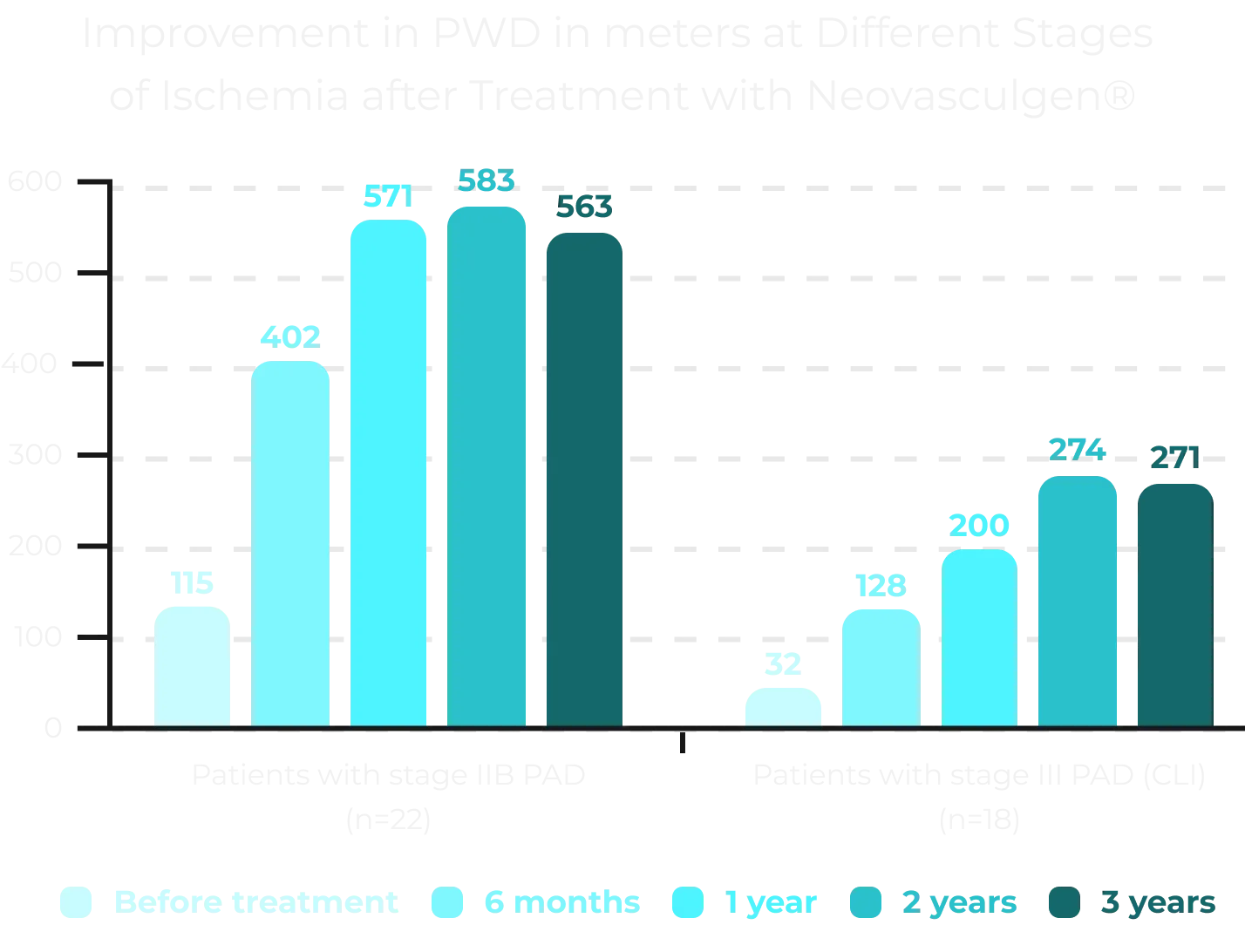
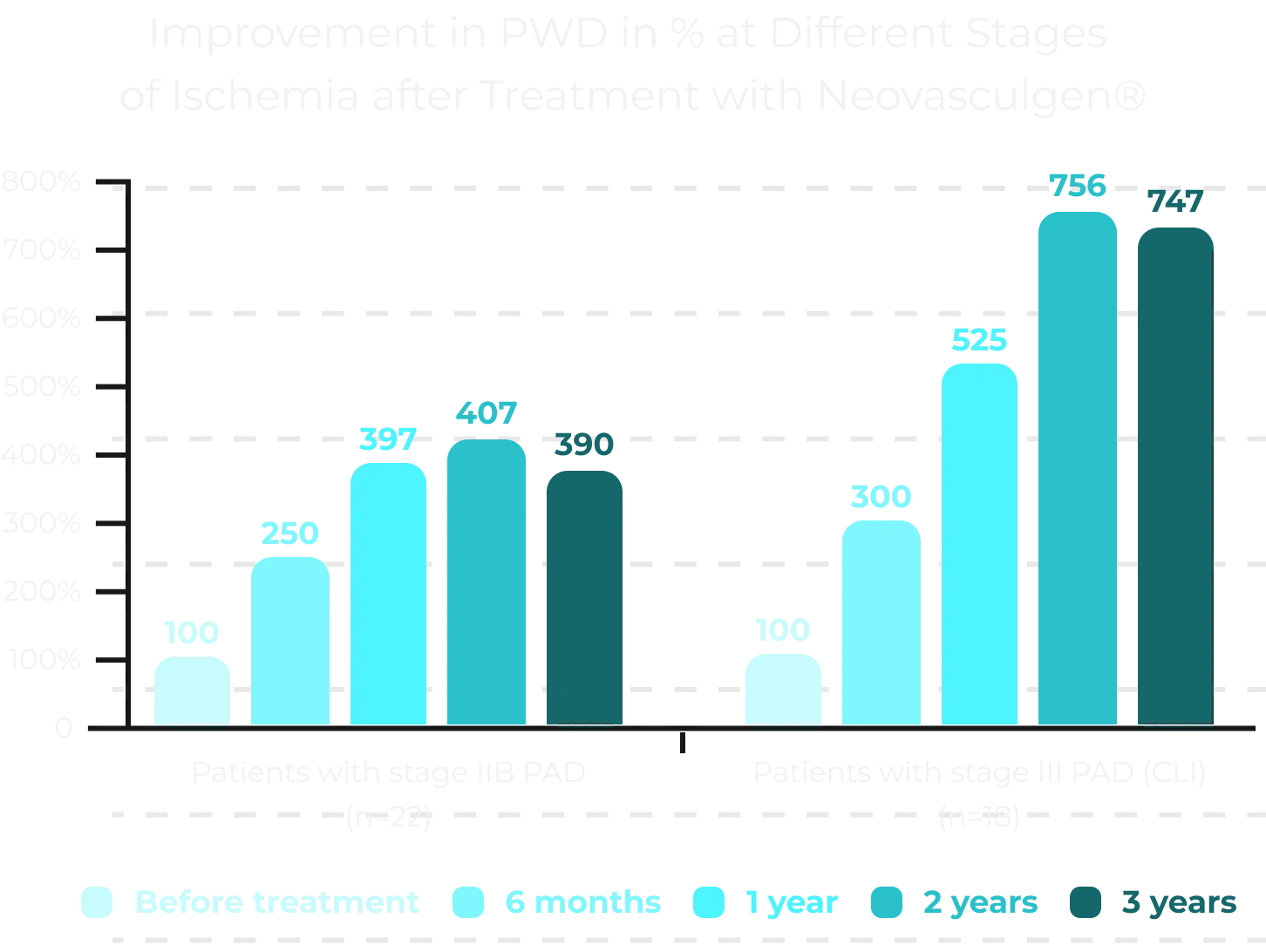
+177%
Walking distance (avg)
Across all PAD patients.
+683%
Walking distance (Stage III)
Patients with the most severe circulation issues.
Results
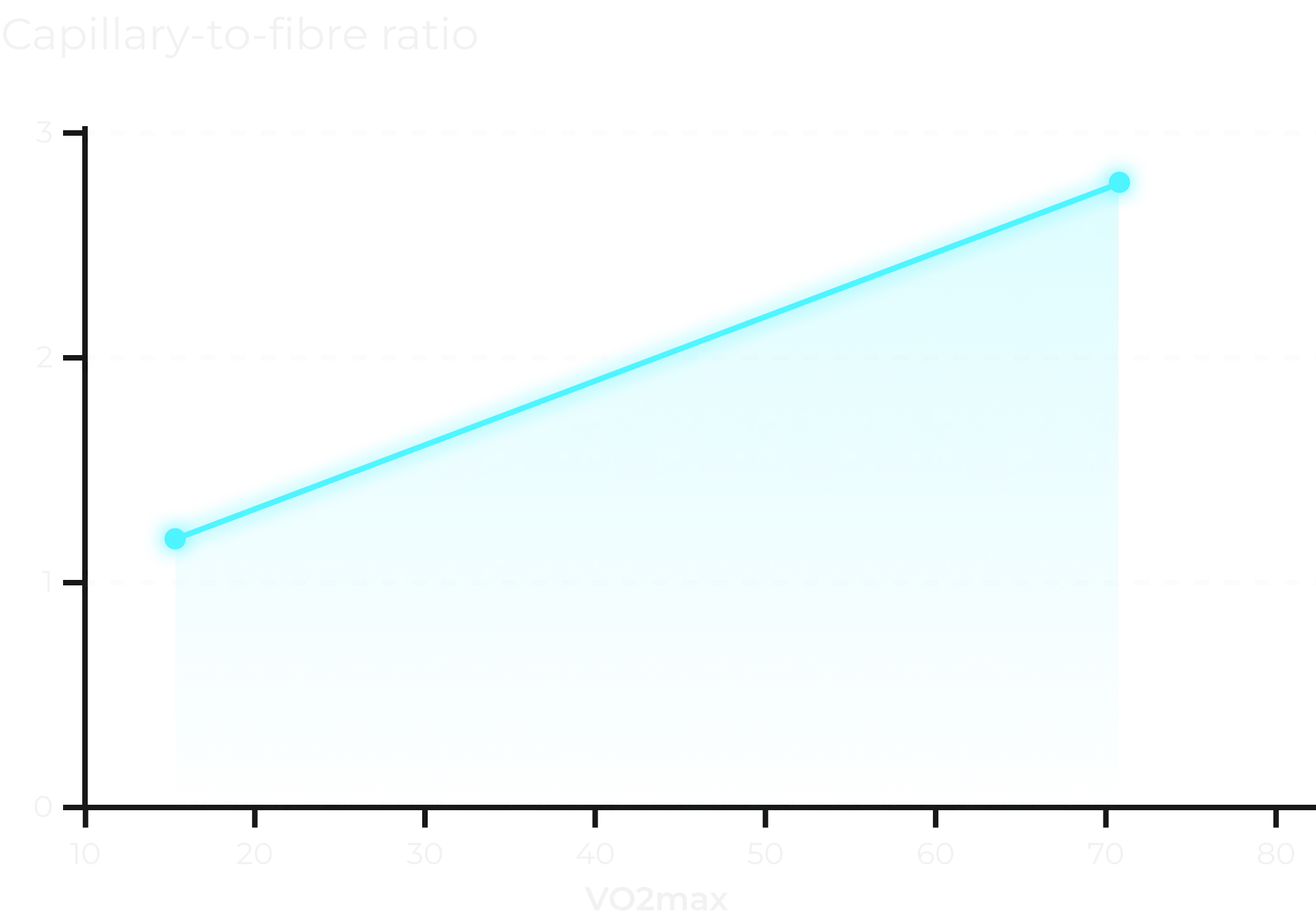
Muscle performance and fatigue resistance can be restored by increasing microvasculature.
Low muscle oxygenation and low capillary-to-fiber ratio contribute to sarcopenia.
Muscle support in elderly: VEGF therapy can help reverse muscle aging by improving muscle size and blood flow, especially in type II fibers, as older adults naturally lose muscle capillaries and have a reduced ability to boost VEGF levels through exercise compared to younger people.
Sarcopenia prevention: VEGF plays a role in maintaining neuromuscular junctions (NMJs). Evidence suggests that age-related NMJ dysfunction is central to musculoskeletal decline.
Results
Accelerated hair regrowth and increased follicle size in VEGF transgenic mice.
The hair follicles require a steady supply of oxygen and nutrients delivered by the blood vessels to maintain normal hair growth.
Hair loss in Peripheral Atherosclerotic Disease (PAD) occurs because narrowed arteries restrict blood flow to the legs, leading to inadequate oxygen and nutrient delivery to the hair follicles.
VEGF expression is significantly reduced in alopecic follicles compared to normal human hair follicles.
Safety
Plasmid VEGF therapy (Neovasculgen, pl-VEGF165) has an exceptional safety record spanning over a decade of clinical use. Over 10,000 patients with PAD have received VEGF therapy, and more than 210 patients have been monitored in post-marketing surveillance studies, establishing one of the most comprehensive safety databases for gene therapy products.
Where to get it
GARM · Roatán, Honduras
GARM · Bahamas
Neovasculgen® delivers the VEGF gene to target tissues via a plasmid. This gene encourages cells to produce VEGF protein, promoting angiogenesis and improving local oxygenation.
VEGF gene therapy is used for PAD. However, its physiological effects also support wound healing, muscle oxygenation, neuroprotection, hair follicle blood supply, and tissue regeneration.
Yes, clinical trials have demonstrated that Neovasculgen® is safe, with no systemic side effects. Recorded side effects include only temporary pain and itching in the injection sites and potential allergic reactions. It has been on the market in Russia and Ukraine for over 12 years with proven long-term safety and efficacy.
PAD patients experience increased pain-free walking distance, improved local blood supply, and a higher Ankle-Brachial Index (ABI), which indicates better blood circulation in the legs. The effects on improving endurance and hair condition in healthy adults are under investigation. Potential effects include increased strength, recovery rate, reduced pain, increased muscle mass, better blood supply, increased local oxygen concentration, increased ABI, and higher VO2max. For scalp treatment, potential effects include: slowing down or reversal of hair loss, increased follicle size, and density.
More than 10,000 patients have successfully received VEGF gene therapy.
The treatment is delivered locally via a set of intramuscular injections, at least ten per vial. For hair rejuvenation, the injections resemble a PRP treatment (over 30 and up to 100 injections).
Only pain at the injection site due to the additional components in the drug that facilitate the entrance of plasmids into the cells. No other side effects have been observed in clinical trials or reported in practice.
All gene therapies, including VEGF, are banned by WADA.
Studies in PAD patients showed a lasting effect for up to 5 years. We recommend reinjecting in 3 years to maintain the maximum effect.
VEGF protein predominantly remains localized because it strongly binds to the extracellular matrix and primarily influences the immediate surrounding cells, especially endothelial cells. Its rapid uptake by cells through receptors, combined with its short half-life (approximately 30 minutes), restricts it from circulating widely, keeping it concentrated near the area of production.
The localized nature of VEGF means the accurate measurement of its expression requires direct tissue biopsies from the specific region of interest. However, monitoring VEGF expression effectively over time or across multiple areas would demand multiple invasive procedures. Since repeated biopsies of healthy tissues raise ethical issues and patient discomfort, direct measurement through biopsies isn’t standard practice for healthy tissues.
Data from Neovasculgen plasmid studies confirm active VEGF expression, with in vitro results showing VEGF protein levels increasing significantly from baseline (~11–27 pg/ml) to approximately 151 pg/ml within 96 hours after transfection. Additionally, preclinical mouse studies using a hind-limb ischemia model demonstrated a substantial increase in blood flow restoration, achieving up to 80–90% recovery at 35 days post-treatment, highlighting effective, sustained VEGF expression and therapeutic benefit.
A single vial of Neovasculgen contains 1.2 mg of VEGF plasmid, which translates to 17.5 mcg/kg for an average adult.
In preclinical toxicity trials, rats and dogs were injected with doses up to 10,000 mcg/kg daily for 90 days. That’s roughly 12,500 times the dose of the 4-vial human protocol. No significant side effects or deaths were observed during those studies. The therapeutic index of the drug is 10,000 (according to the Hodge & Sterner scale). It’s important to note that the dose above 2 vials per session wasn’t investigated in humans.
Thus, it’s not clear that it’s possible to overdose on VEGF Plasmid. We, however, do not recommend exceeding the 4 vials per session (and 4 more vials 7–21 days apart).
There’s no data on the safety or effectiveness of such combinations. The final decision is made by the treating physician and the patient.
For muscle: VO2max before and 6 months after, results in running/cycling/walking or any relevant activity, recovery rates after exercise (subjective), and muscle circumference.
For PAD: pain-free walking distance, and all of the above.
For hair: photos from the same angle before and 6 months after; trichoscopy exam (follicle size and density at various sites) before and 6 months after.
Gene therapies described on this website are experimental and not approved by the FDA. Effects are not guaranteed, and individual results may vary. Therapies are provided by third parties in Prospera ZEDE and Mexico; Unlimited Bio is not a medical provider. Always seek the advice of a qualified healthcare provider with any questions you may have regarding a medical condition or treatment.